
Son las 2:00 a. m. en Anthem y, aunque las estrellas del desierto son hermosas, el aire a 38 grados Fahrenheit (3 °C) que se cuela por sus ventanas...
Best HVAC System for Allergies in Nevada: The 2026 Homeowner’s Guide
Did you know that the Asthma and Allergy Foundation of America ranks Las Vegas among the top 35 worst metropolitan areas in the United States for allergy sufferers? Between the invasive Mulberry pollen that peaks in the spring and the persistent ragweed of the fall, finding the best hvac system for allergies Nevada homeowners can rely on is a matter of health as much as comfort. You shouldn’t have to choose between a cool home and one where you can breathe clearly, yet standard units often fail to trap the fine desert dust that settles on every surface.
It’s exhausting to deal with persistent sneezing and high energy bills while your old unit struggles to keep up with the heat. We believe your indoor air should be a clean refuge from the harsh Southern Nevada climate. In this guide, you’ll discover the specific cooling configurations and indoor air quality technologies that actually eliminate allergens. We’ll examine the most effective variable-speed systems, explain why MERV 16 filtration is the new gold standard under 2026 energy codes, and help you determine which investments will provide the lasting relief you deserve.
Key Takeaways
- Understand why the “Mojave Mix” of fine desert silt and invasive pollen requires more than a basic filter to keep your indoor air truly clean.
- Learn why variable-speed air handlers are the superior choice for continuous air circulation and consistent filtration in the intense Nevada heat.
- Explore how to integrate whole-home HEPA technology into your residential setup to capture microscopic particulates that traditional systems often miss.
- Discover why identifying the best hvac system for allergies Nevada requires a professional static pressure test to ensure your equipment operates efficiently with high-MERV filters.
- Master the essential steps to seal your system’s supply and return plenums, which prevents dusty attic air from bypassing your high-performance filtration.
The Nevada Allergy Challenge: Why Standard HVAC Systems Fall Short
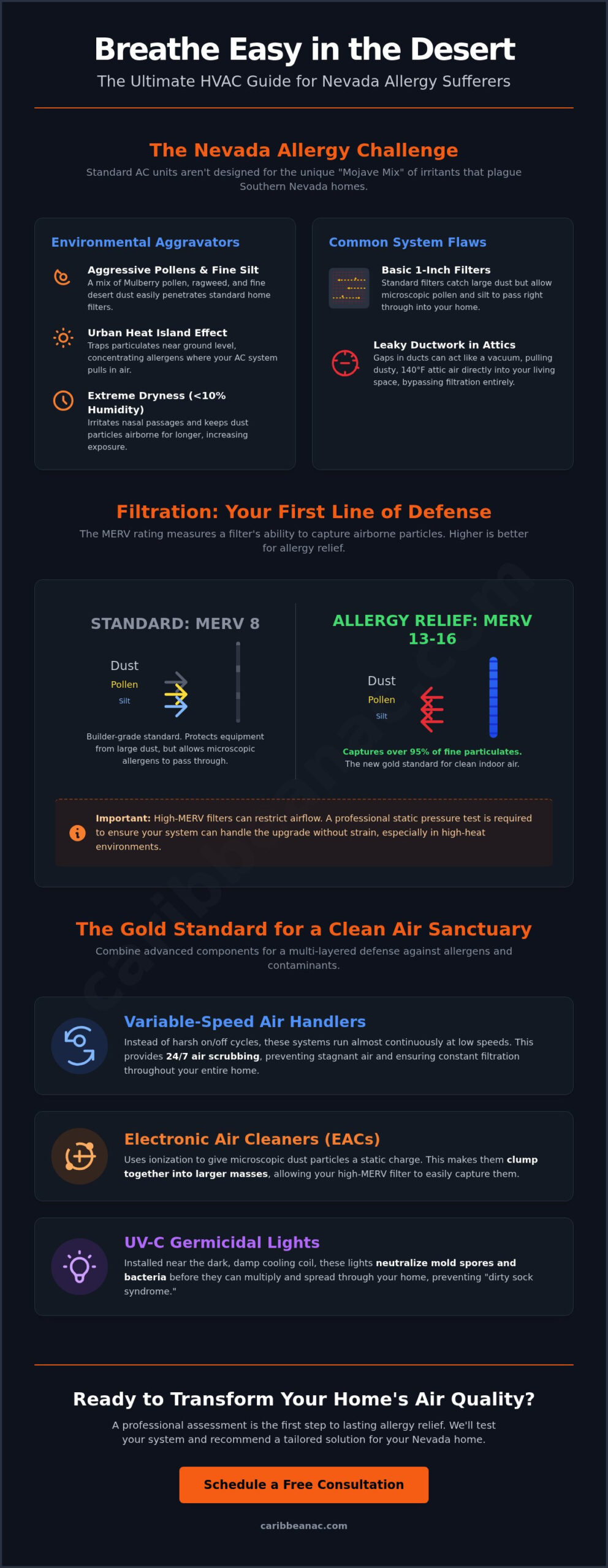
Southern Nevada residents face a specific environmental cocktail often called the “Mojave Mix.” This combination of fine desert silt and aggressive pollens from non-native species like Mulberry, European Olive, and Ragweed creates a persistent health challenge. While Heating, ventilation, and air conditioning (HVAC) systems are primarily designed for thermal comfort, standard units often lack the precision to filter these microscopic irritants. Finding the best hvac system for allergies Nevada homeowners can rely on requires looking beyond basic temperature control to address these unique local factors.
The Las Vegas “heat island” effect complicates this further by trapping particulates near ground level. As the pavement holds onto heat, it prevents air from circulating upward, keeping allergens concentrated exactly where your system pulls in air. Most standard systems rely on thin, 1-inch pleated filters that catch large dust bunnies but allow microscopic pollen to pass right through. Investing in professional indoor air quality services is the essential first step in transforming your home from a dust trap into a clean sanctuary.
To better understand how specific technologies can clear your air, watch this helpful video:
The Role of Humidity in Desert Allergy Management
Indoor air in Nevada frequently drops below 10% humidity. This extreme dryness irritates your nasal passages, making them significantly more vulnerable to inflammation when they encounter allergens. In these bone-dry conditions, dust particles remain airborne much longer than they would in more humid climates. Furthermore, leaky ductwork in a scorching 140-degree attic can act like a vacuum. It draws in unconditioned, dusty air through small gaps and distributes it directly into your bedrooms, bypassing your filters entirely.
Standard vs. Allergy-Grade Filtration
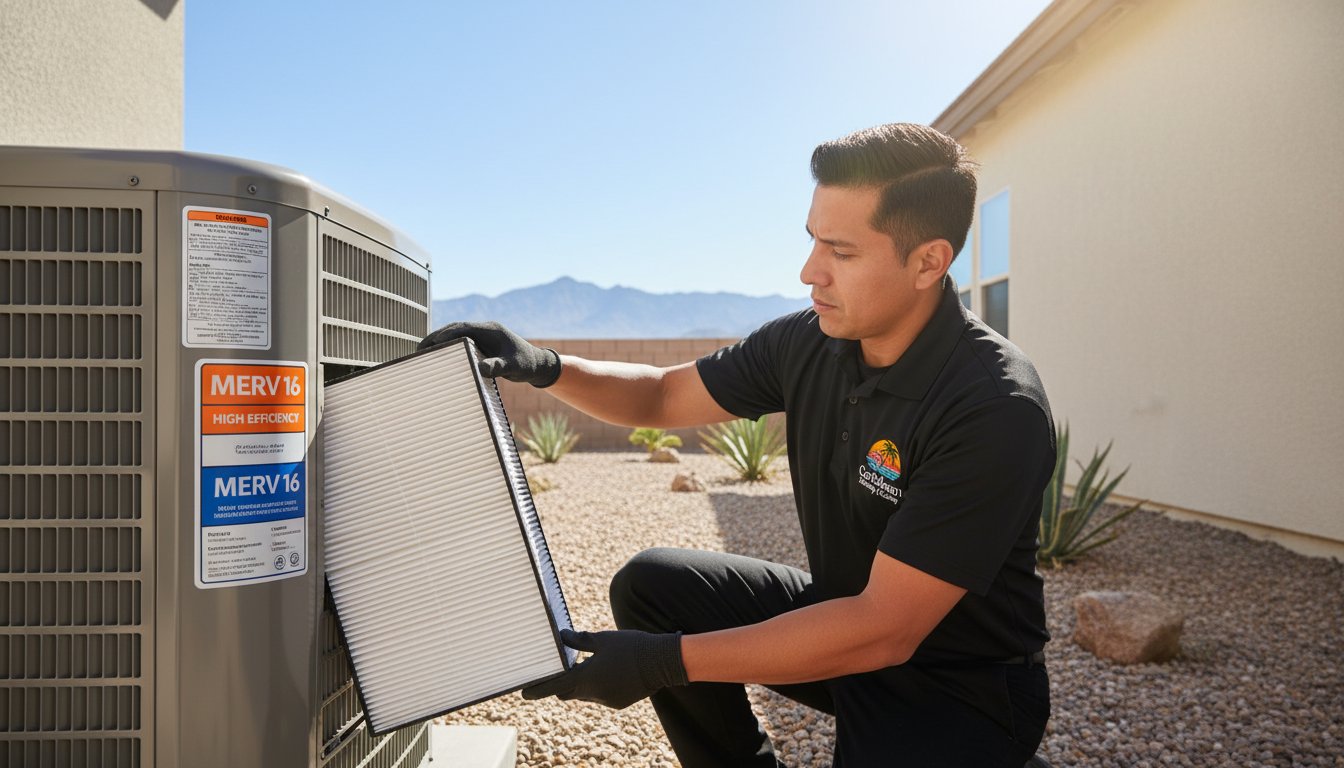
The MERV scale ranks filters based on their efficiency at trapping particles ranging from 0.3 to 10 microns, including the fine silt and pollen common in the Mojave Desert. While a MERV 8 filter is the “builder grade” standard that protects the equipment itself, true allergy relief requires MERV 13 to MERV 16 filtration. These higher grades capture over 95% of fine particulates. You must be careful, though; denser filters can restrict airflow in high-heat environments. We always ensure your blower motor can handle the increased resistance before upgrading your filtration level.
Top HVAC Configurations for Maximum Allergy Relief
The best hvac system for allergies Nevada homeowners can choose is one that treats air quality and temperature as a single, unified goal. Modern configurations allow us to integrate hospital-grade cleaning directly into your residential ductwork, ensuring every room remains a safe haven from desert irritants. By combining advanced air handlers with active purification, you can effectively Control Indoor Allergens before they settle on your furniture or irritate your lungs.
Electronic Air Cleaners (EACs) provide a powerful second line of defense. These systems use ionization to give tiny desert dust particles a static charge, causing them to clump together into larger masses that your filter can actually catch. We also recommend UV-C germicidal lights installed near the cooling coil. This prevents “dirty sock syndrome” by neutralizing mold spores and bacteria that thrive in the dark, damp environment of an AC unit. This multi-layered approach is essential for maintaining a healthy home in our demanding climate.
The Variable-Speed Advantage
Variable-speed air handlers represent the gold standard for desert living. Unlike standard units that cycle on and off, these systems run almost continuously at low speeds. This constant motion provides 24/7 air scrubbing and prevents the stagnant micro-climates often found in larger Henderson and Summerlin homes. It’s a key component of modern hvac las vegas technology, offering both superior comfort and whisper-quiet operation that won’t disrupt your daily life.
Active Air Purification Technologies
Active purifiers like Photocatalytic Oxidation (PCO) systems go beyond passive filtration. They work to neutralize organic allergens and odors at a molecular level. While stand-alone room purifiers only clean a small area, a whole-home system addresses the root cause of your discomfort throughout the entire property. If you’re ready to upgrade, a professional indoor air quality installation ensures these add-ons don’t restrict the vital airflow your condenser needs to stay cool during a 115-degree July afternoon.
Implementing Your IAQ Strategy in Southern Nevada
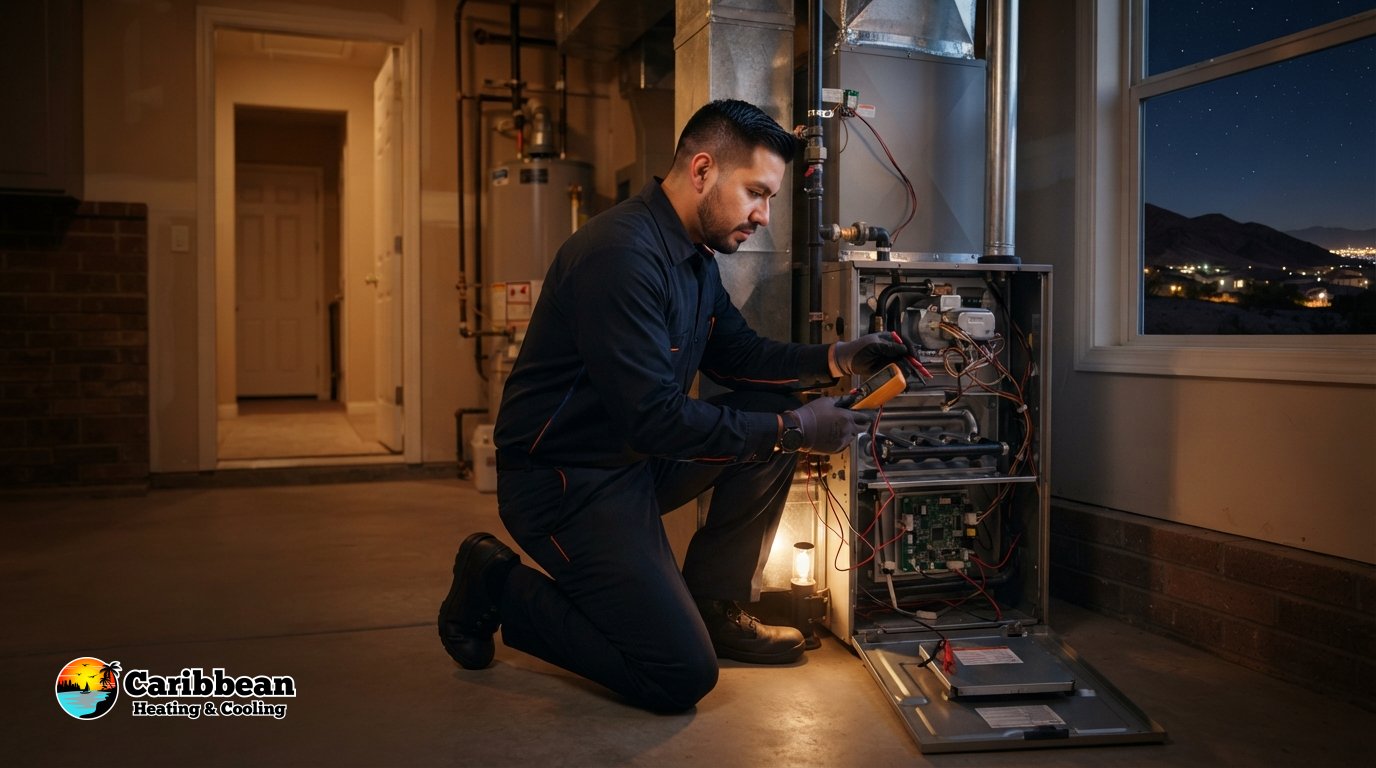
Building the best hvac system for allergies Nevada homeowners can buy requires a methodical approach to installation and calibration. It’s not enough to simply slide in a high-efficiency filter; you must ensure your entire equipment footprint can handle the increased air resistance. We begin by conducting a professional static pressure test. This diagnostic measures the resistance within your ductwork to determine if your blower motor can push air through dense, allergy-grade media without overheating or failing prematurely.
Next, we focus on sealing the supply and return plenums. In our desert climate, attic temperatures often climb to 140 degrees, and the air in those crawlspaces is thick with Indoor Air Pollutants. If these plenums aren’t airtight, your system will pull dusty, unconditioned air directly into your home, bypassing your filters entirely. We also recommend upgrading to a 4-inch or 5-inch media cabinet. These larger cabinets provide a massive filtration surface area, which allows for superior particulate capture while maintaining the high airflow needed for Nevada’s extreme heat.
Calibration for the Las Vegas Climate
Systems sized strictly for cooling often need adjustment when you add high-performance filtration. Professional calibration is the only way to ensure IAQ upgrades don’t lead to a frozen evaporator coil. We also utilize modern smart thermostats that track filter life based on actual system runtime rather than a generic calendar date. This ensures you’re changing filters exactly when they become saturated, which is vital during our intense “dust seasons.”
The Maintenance Connection
Semi-annual checkups are non-negotiable for allergy sufferers in North Las Vegas and Summerlin. During these visits, we identify early signs of “bypass air,” where allergens sneak around the edges of a poorly fitted filter. Following a desert-specific ac maintenance schedule keeps your coils clean and your airflow at peak levels. Ready to breathe easier? Contact Caribbean Heating & Cooling for a custom ac installation plan designed for lasting allergy relief.
Secure Your Home Against Desert Allergens
Living in Southern Nevada doesn’t mean you have to suffer through year-round allergy symptoms. By understanding the Mojave Mix of pollens and the benefits of variable-speed technology, you can finally transform your living space into a true sanctuary. Selecting the best hvac system for allergies Nevada requires a strategic combination of high-MERV filtration, active purification, and precise system calibration. These steps ensure your equipment survives the 115-degree summers while removing the microscopic irritants that standard units leave behind.
As local, family-owned specialists, we understand the unique demands our climate places on your health and your property. Whether you need 24/7 emergency residential support or a comprehensive system upgrade, our team brings deep expertise in Mojave Desert climate challenges to every project. We’re committed to helping our neighbors find reliable, long-term solutions for breathable indoor air. Don’t let dust and pollen dictate your comfort levels for another season.
Schedule your Indoor Air Quality assessment with Caribbean Heating & Cooling today and start breathing easier in a home designed for your health and safety.
Frequently Asked Questions
What MERV rating is best for allergies in the Las Vegas desert?
A MERV 13 to MERV 16 filter is the ideal range for capturing the fine desert silt and invasive pollens found in Southern Nevada. While standard builder-grade MERV 8 filters protect your equipment from large debris, they don’t stop the microscopic particulates that trigger respiratory issues. Selecting the best hvac system for allergies Nevada requires these higher-rated filters to effectively scrub the air of over 95% of airborne irritants.
Can I just put a HEPA filter in my existing HVAC system?
You shouldn’t install a standard HEPA filter directly into a residential filter slot because its density is too high for most home blower motors. This extreme resistance can lead to a frozen evaporator coil or a complete motor failure. Instead, we integrate HEPA technology through a dedicated bypass system. This setup cleans the air thoroughly without compromising the vital airflow your air conditioner needs to stay cool during a 115-degree day.
How often should I change my AC filter during a Nevada dust storm?
We recommend checking your filter every two weeks during the peak dust season or immediately following a significant storm event. While a standard 90-day schedule might work in other climates, the intense particulate load in Las Vegas can saturate an allergy-grade filter in as little as 30 days. Keeping a clean filter ensures your system doesn’t struggle against high static pressure, which keeps your energy bills lower and your indoor air cleaner.
Do whole-home air purifiers really help with asthma and allergies?
Whole-home air purifiers are significantly more effective than portable units because they treat the entire volume of air circulating through your house. These systems use advanced technologies like Photocatalytic Oxidation (PCO) or ionization to neutralize organic allergens and clump dust particles together for easier capture. By integrating these tools into your central system, you ensure that every living space remains a controlled environment free from the irritants that trigger asthma flare-ups.

Related Posts
Comments (0)