
El costo de instalación de una bomba de calor en North Las Vegas depende del tipo y la capacidad del sistema, los ductos y la instalación eléctrica...
Uneven Cooling in Henderson: Causes and HVAC Sizing Solutions
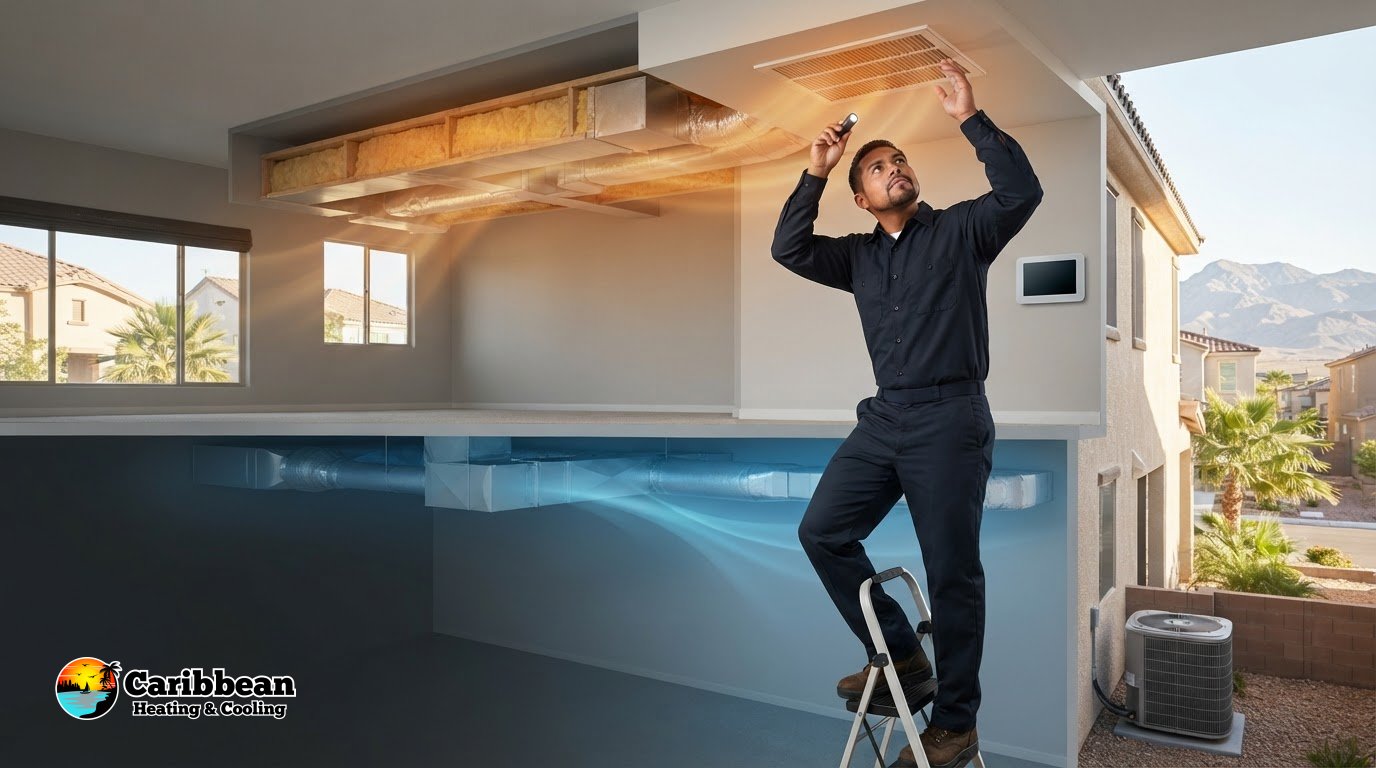
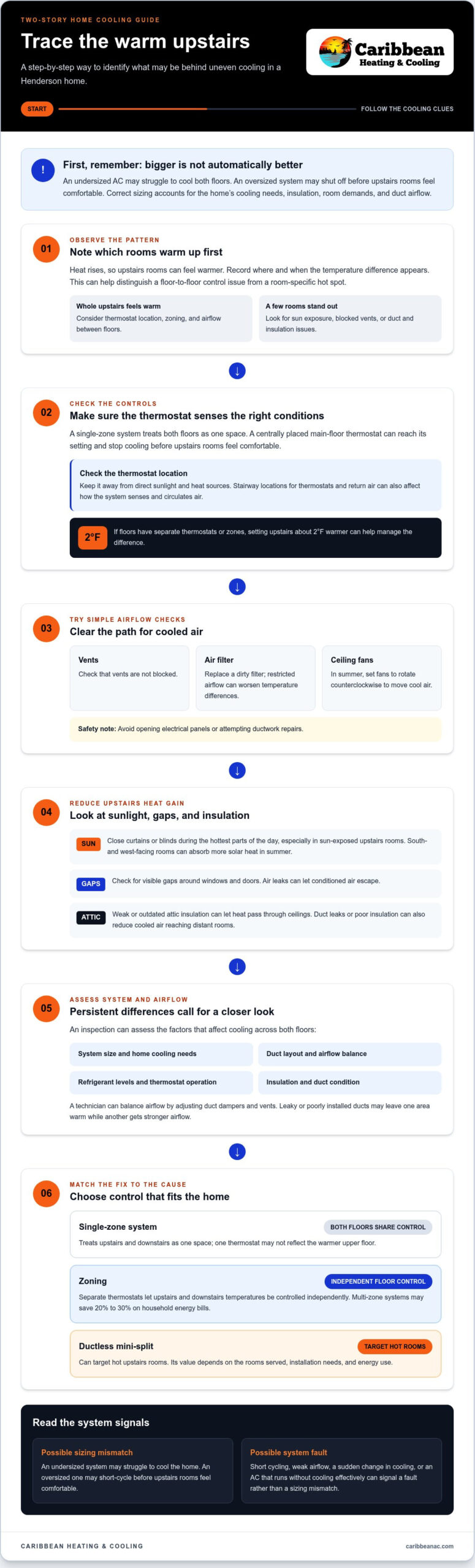
A bigger air conditioner isn’t automatically the fix for a warm upstairs. The most effective solutions for uneven cooling in a two-story Henderson home start with identifying whether system sizing, a single thermostat, or unbalanced airflow is causing the temperature gap. An undersized system may struggle to cool both floors, while an oversized one may shut off before upstairs rooms feel comfortable.
It’s frustrating when one floor feels chilly and the other stays warm, especially during Henderson’s desert heat. The right fix depends on how your system and home work together: a single-zone setup treats both floors as one space, while a zoned system can give each floor independent temperature control. This article explains the common causes of uneven cooling, how HVAC sizing affects comfort, and which practical adjustments may help restore more consistent airflow throughout your home.
Key Takeaways
- Look beyond the unit’s capacity: airflow balance, duct layout, thermostat function, refrigerant levels, and insulation all affect cooling across both floors.
- Programmable thermostats can help tailor cooling schedules, but thermostat placement and whether each floor has independent control also matter.
- Reduce upstairs heat gain by shading sun-exposed windows, and watch for duct leaks or insulation gaps that can undermine even cooling.
- If temperature differences persist or your AC isn’t cooling effectively, AC repair can help identify system problems that simple thermostat adjustments won’t resolve.
1. HVAC system sizing
In a two-story Henderson home, HVAC sizing needs to account for both floors, insulation, room demands, and duct airflow. An undersized air conditioner may struggle to maintain even temperatures; an oversized system can short-cycle, cooling one floor before the other. Correct sizing starts with the home’s cooling needs, not simply choosing a larger unit.
For a practical overview of airflow and temperature fixes, watch 7 Ways to Solve Uneven Temperatures Inside Your Home from Fire & Ice Home Services:
A single-zone HVAC system treats both floors as one space, even though upstairs rooms often need different cooling. A centrally placed thermostat on the main floor, away from sunlight and heat sources, can read that area accurately. But it may shut off the air conditioner before warmer upstairs rooms reach a comfortable temperature.
Zoning gives separate areas their own thermostats, so upstairs and downstairs temperatures can be controlled independently. A ductless mini-split can target hot upstairs rooms, and its value depends on the rooms served, installation needs, and energy use. Multi-zone systems may save 20% to 30% on household energy bills.
In Nevada, energy-efficiency incentives are tied to utility and equipment programs. Eligibility depends on the system’s efficiency and the specific program’s terms.
If the system runs but consistently struggles to cool the home, undersizing may be a factor. Short cycling, weak airflow, or a sudden change in cooling can signal a system fault rather than a sizing mismatch.
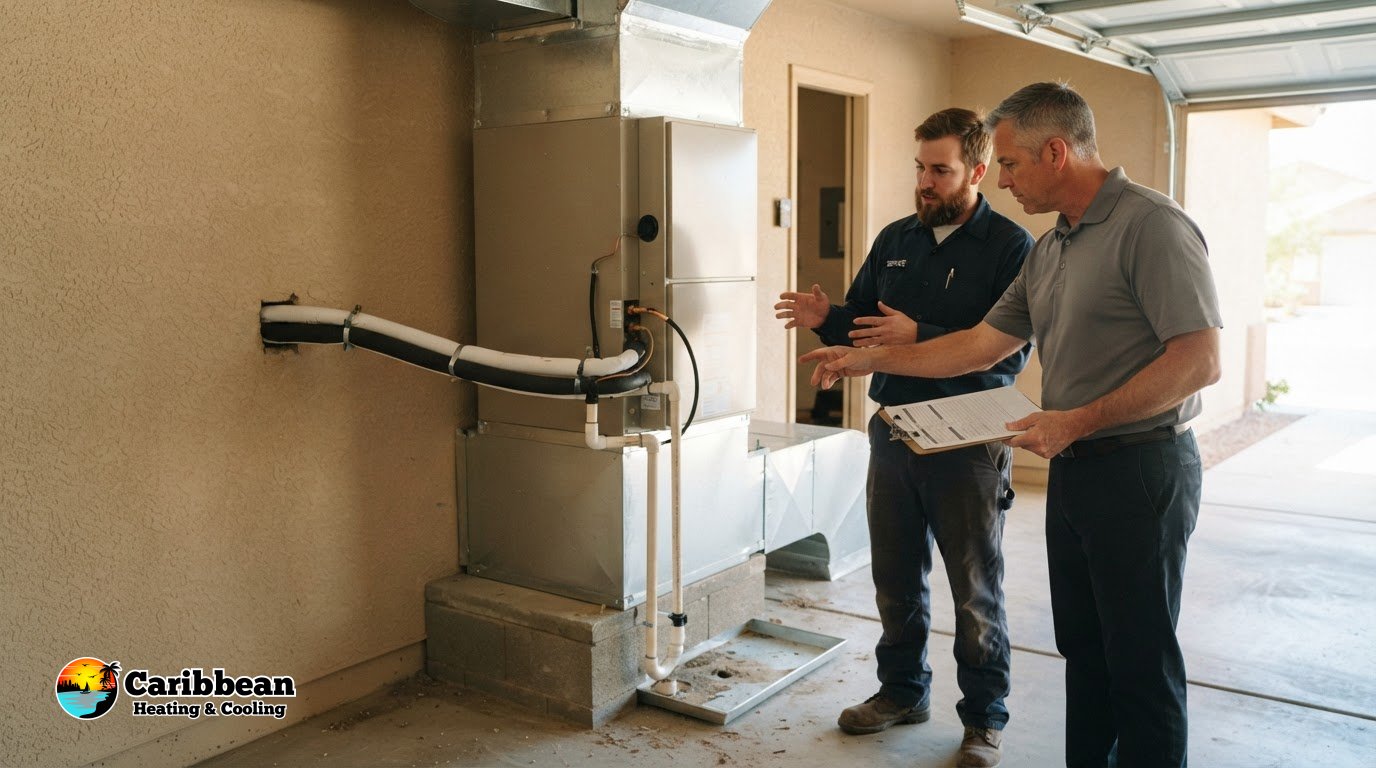
An inspection should assess system size, duct layout, airflow balance, refrigerant levels, thermostat operation, and insulation. A technician can balance airflow by adjusting duct dampers and vents. Replace dirty filters as well, since restricted airflow can worsen temperature differences. For commercial properties facing similar airflow and maintenance challenges across larger spaces, tailored facilities management from thecfs.group helps ensure complex building operations stay seamless and efficient.
2. What Causes Uneven Cooling?
Heat rises, so upstairs rooms can feel warmer than rooms below. A single downstairs thermostat may reach its setting and stop cooling before the upper floor feels comfortable. Direct sunlight or a nearby heat source can also skew its reading. In two-story homes, thermostat and return-air locations near the stairway can affect how the system senses and circulates air. If you’re looking for solutions for uneven cooling in a two-story Henderson home, note which rooms warm up first.
Ceiling fans and thermostat settings can help, but they don’t replace balanced cooling. During summer, set ceiling fans to rotate counterclockwise to move cool air. If your floors have separate thermostats or zones, setting the upstairs temperature about 2°F warmer can help manage the difference. Keep the thermostat away from direct sunlight and heat sources, and place it centrally on the main floor for a more representative reading.
Programmable thermostats let homeowners set cooling schedules around daily routines, while smart thermostats provide additional ways to manage settings. In winter, the U.S. Department of Energy recommends 68°F to 70°F when residents are awake and at home, then lowering the setting by 7°F to 10°F while they’re asleep or away. Separate zones help control each floor independently. Practical solutions for uneven cooling in a two-story Henderson home should account for each floor’s distinct temperature needs.
For safe troubleshooting, confirm the thermostat is set to cooling, check that vents aren’t blocked, and inspect the air filter. Avoid opening electrical panels or attempting ductwork repairs. If temperatures remain inconsistent after these steps, a thermostat assessment can help identify control issues and improve comfort throughout your home.
3. Common causes of uneven cooling
In Henderson, attic insulation, air leaks, and sun exposure all affect upstairs temperatures. Weak or outdated insulation lets heat pass through ceilings, while gaps around windows and doors let conditioned air escape. South- and west-facing rooms often absorb more solar heat in summer, making upstairs spaces harder to keep comfortable. Tackling drafty gaps with fresh caulking or weatherstripping is often handled by residential repair specialists; for example, companies like American Handyman assist homeowners with targeted sealing projects to help maintain consistent indoor temperatures.
Air leaks don’t only waste cooled air. Indoor-outdoor temperature differences and wind drive air movement through gaps, according to the U.S. Environmental Protection Agency. Leaky, poorly insulated, or incorrectly installed ductwork can also lose cooled air before it reaches distant rooms. Cracks or loose connections may leave one area warm while another receives stronger airflow.
Sunlight adds to the cooling load. Close curtains or blinds during the hottest parts of the day, especially in upstairs rooms with direct exposure. A smart thermostat can manage schedules, but it won’t correct insulation gaps, duct leaks, or airflow imbalance. Separate zones address different floor needs, but they don’t repair faults in the ducts or building envelope.
Start with simple checks: note which rooms warm up, look for visible gaps around doors and windows, and keep sun-facing blinds closed during peak heat. Persistent temperature differences point to issues that need a closer inspection of insulation, duct layout, and airflow balance. If a cooling fault accompanies the hot spots, request AC repair to address the system problem.
Caribbean Heating & Cooling: AC Repair
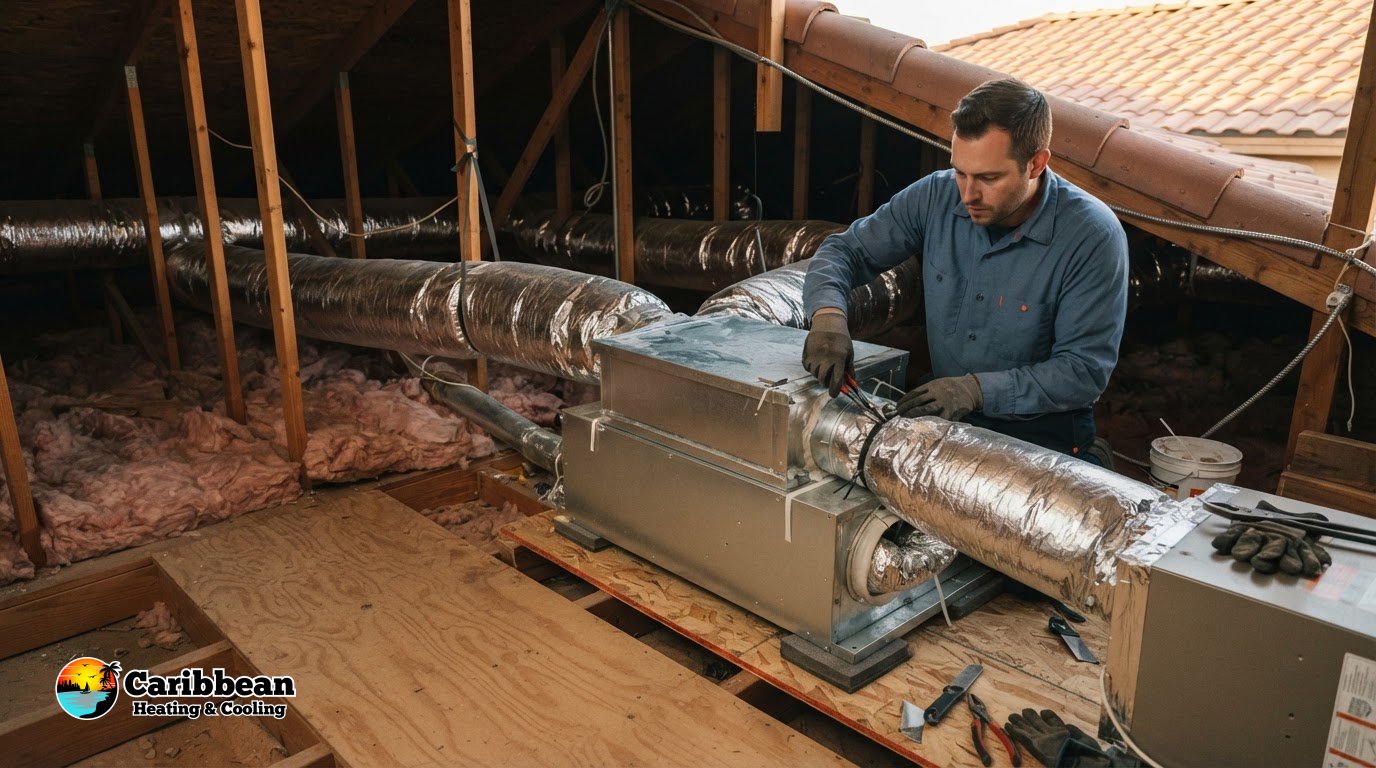
Caribbean Heating & Cooling provides AC repair when persistent hot spots point to a cooling-system problem rather than sunlight or thermostat settings alone. If your air conditioner runs without cooling rooms effectively, cycles unusually, or delivers noticeably weak airflow, a repair visit can help identify the fault and determine the appropriate fix.
For recurring uneven cooling, AC maintenance can help assess system operation and spot issues affecting performance. If your current equipment can’t meet the home’s cooling needs, AC installation may be the next step. The right path depends on the system’s condition, airflow, and the home’s cooling demands.
Describe which rooms stay warm and when the temperature difference occurs. Contact Caribbean Heating & Cooling to discuss AC repair for your home in Henderson.
Take the Next Step Toward Steadier Comfort
Use room-by-room observations to guide your next decision instead of replacing equipment based on one uncomfortable afternoon. Note which spaces feel warm, whether the issue follows a daily pattern, and what changes when the system runs. Those details help distinguish a recurring comfort issue from a cooling fault that needs attention.
For solutions for uneven cooling in a two-story Henderson home, Caribbean Heating & Cooling offers AC repair when the system isn’t operating properly, AC maintenance to support ongoing performance, and AC installation when replacement is the appropriate path. The right service depends on what your home and equipment need.
Contact Caribbean Heating & Cooling to discuss your home’s cooling concerns. A clear next step can make a more comfortable home feel within reach.
Frequently Asked Questions
What Causes Uneven Cooling?
Uneven cooling usually means heat enters rooms at different rates or cooled air isn’t reaching them evenly. In a Henderson home, compare rooms that warm up at the same time: a sun-exposed bedroom may point to window heat gain, while several warm rooms can indicate a broader airflow or equipment issue. Note when the pattern appears and which rooms are affected.
How should HVAC vents and dampers be balanced for even cooling upstairs and downstairs?
Balance airflow by adjusting dampers gradually, then observe whether warm rooms receive more air without making other areas uncomfortable. Keep supply vents open and unobstructed; fully closing them can interfere with system airflow. Duct dampers are often inside the ductwork, so have an HVAC technician adjust them and assess airflow at room level rather than guessing based on vent position alone.
How much does adding a zoning system or second thermostat cost in Henderson, NV?
There isn’t one set cost for adding zoning or a second thermostat in Henderson. The amount depends on the existing HVAC controls, ductwork, equipment compatibility, and how many areas need separate temperature control. A quote request is the next step for project-specific pricing. These factors also help determine whether adding controls alone can address the comfort problem or broader system work is needed.

Related Posts
Comments (0)