
¿Qué pasaría si su aire acondicionado deja de funcionar al anochecer durante una ola de calor en Summerlin? El servicio de emergencia para HVAC...
Signs You Need a New Furnace in Summerlin and When to Replace
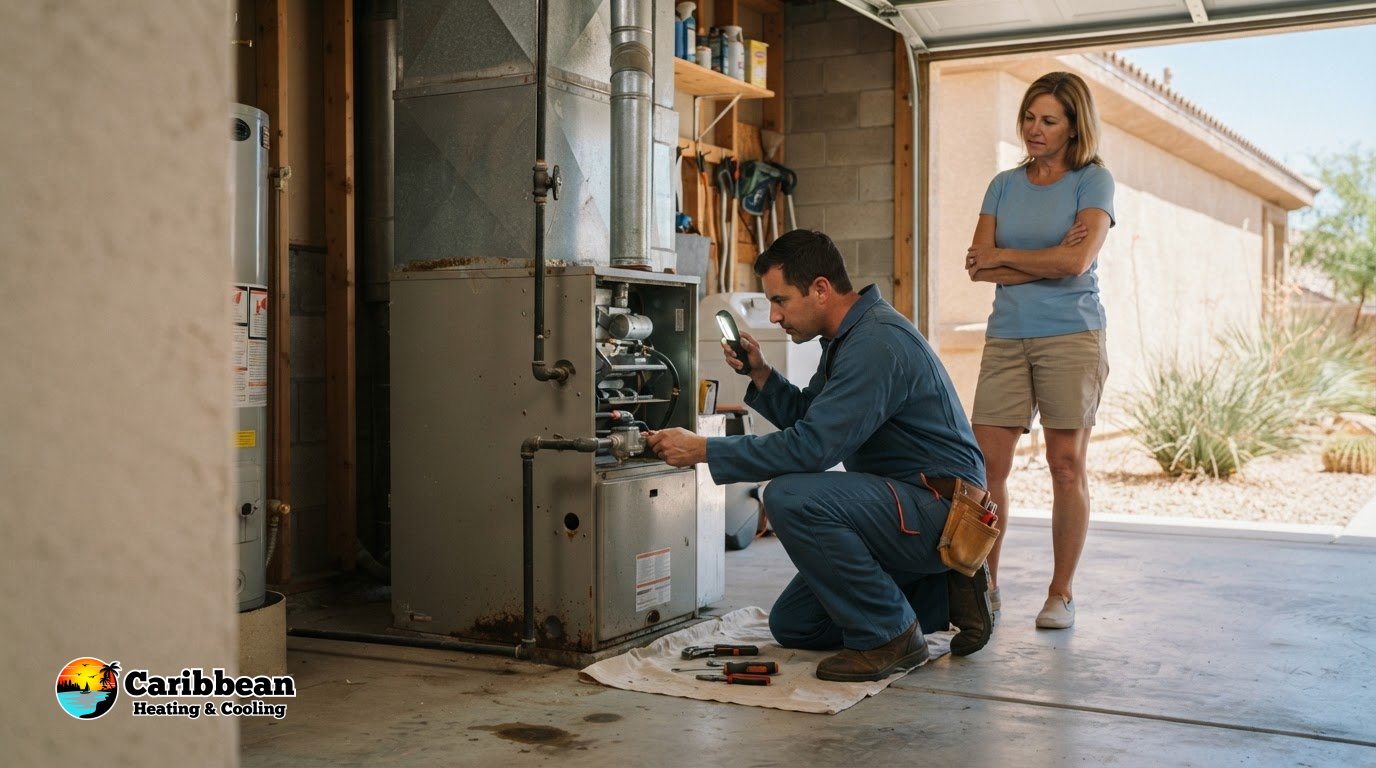
A furnace that struggles through summer can become a winter comfort problem. The clearest signs you need a new furnace in Summerlin include repeated breakdowns, rising energy bills, and rooms that no longer heat evenly. Together, these problems may point to replacement rather than another repair.
It’s understandable to hope that one more service visit will solve the issue. But the better choice depends on the pattern: whether repairs keep adding up, the system can meet your home’s heating needs, and a newer furnace could improve efficiency and comfort. This article explains the warning signs to watch for, how to weigh recurring repairs against replacement, and what benefits an upgraded heating system may offer. You’ll have a clearer basis for deciding whether to service your current furnace or plan for a new one before cold weather arrives.
Key Takeaways
- Track rising energy use alongside uneven warmth; together, these changes can signal that your furnace is struggling to meet your home’s needs.
- Use recurring breakdowns and repair history to judge whether another service visit makes sense or replacement deserves consideration.
- Compare a newer system’s potential efficiency and more consistent heating with the performance of your current furnace.
- When your furnace needs attention, Caribbean Heating & Cooling offers heating repair to help assess and address the problem.
1. Declining heating efficiency and rising energy bills
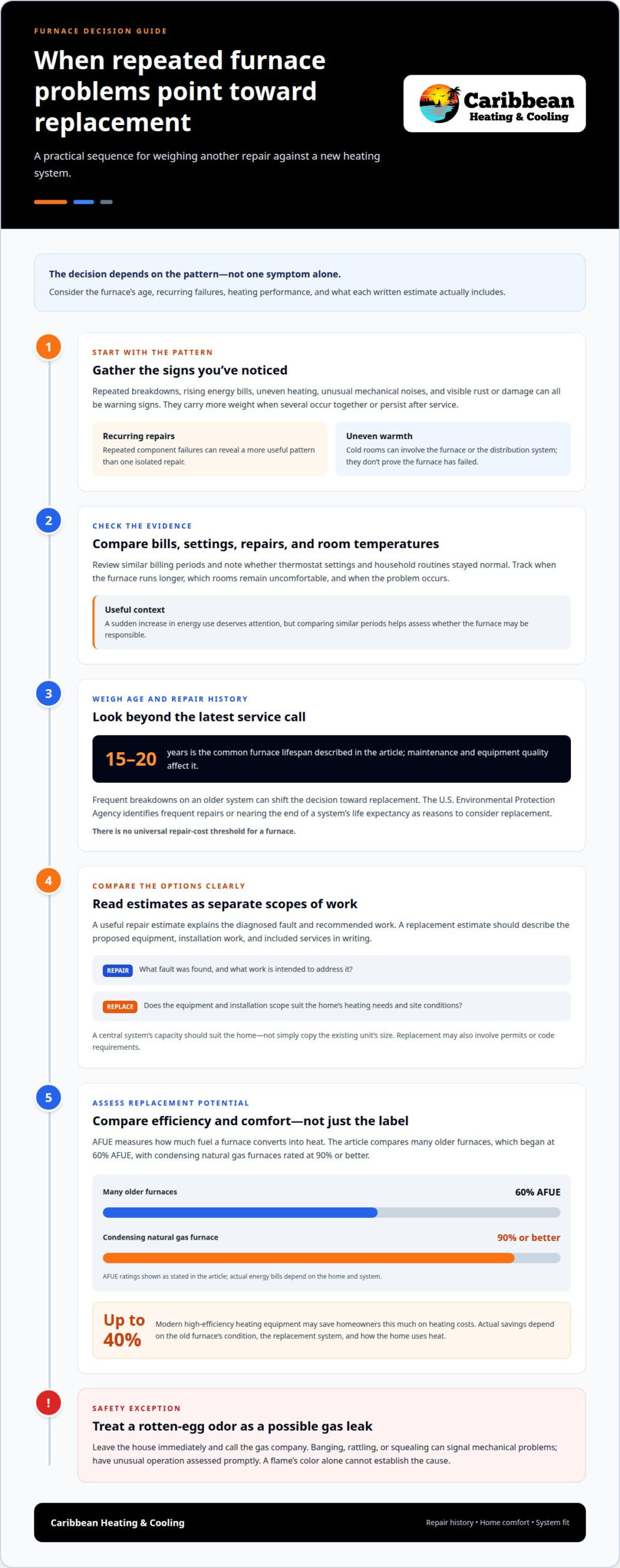
A rising heating bill can signal declining efficiency, especially when your thermostat settings and household routine stay normal. Older furnaces may lose efficiency over time, using more energy to produce the same warmth. Many older furnaces had an AFUE rating of 60% when first installed. A sudden increase in energy use deserves attention, but compare similar billing periods before deciding the furnace caused it.
Common signs a furnace may need replacement include rising energy bills, frequent breakdowns, uneven heating, unusual mechanical noises, and visible rust or damage. These signs you need a new furnace in Summerlin carry more weight when they appear together or persist after service. A burning-dust smell at the first fall startup is normal if it fades; a lingering odor is different and needs attention.
Frequent repairs can point to worn components or a system nearing the end of its useful life. Rising bills may mean the furnace needs more energy to deliver the same heat, while cold rooms can reflect trouble generating or distributing warmth. Uneven heating can also involve the distribution system, so it doesn’t prove the furnace itself has failed.
Use a simple comparison: review your heating bills, thermostat settings, repair history, and room temperatures. If the furnace runs longer but leaves some rooms cold, note which areas stay uncomfortable and when. Modern high-efficiency heating equipment may save homeowners up to 40% on heating costs, but actual results depend on the home and system. A technician can assess furnace performance and identify whether repair or replacement best addresses the cause.
2. Repeated repairs and replacement considerations
A furnace commonly lasts 15 to 20 years, depending on maintenance and equipment quality. Frequent breakdowns on an older system can shift the decision from another repair toward replacement. The U.S. Environmental Protection Agency identifies frequent repairs or nearing the end of a system’s life expectancy as reasons to consider replacement. Keep service records together; repeated component failures reveal a more useful pattern than one isolated repair.
To decide whether to repair or replace, weigh the furnace’s age, recent repair history, and whether the same problem returns. There’s no universal repair-cost threshold for a furnace. A useful estimate should explain the diagnosed fault, recommended work, and replacement scope separately, so you can compare what each option addresses rather than relying on a vague total.
When comparing HVAC estimates, review the proposed equipment, installation work, and included services in writing. Check that each estimate addresses your home’s heating needs and relevant site conditions. A central system’s capacity should suit the home, not simply copy the existing unit’s size.
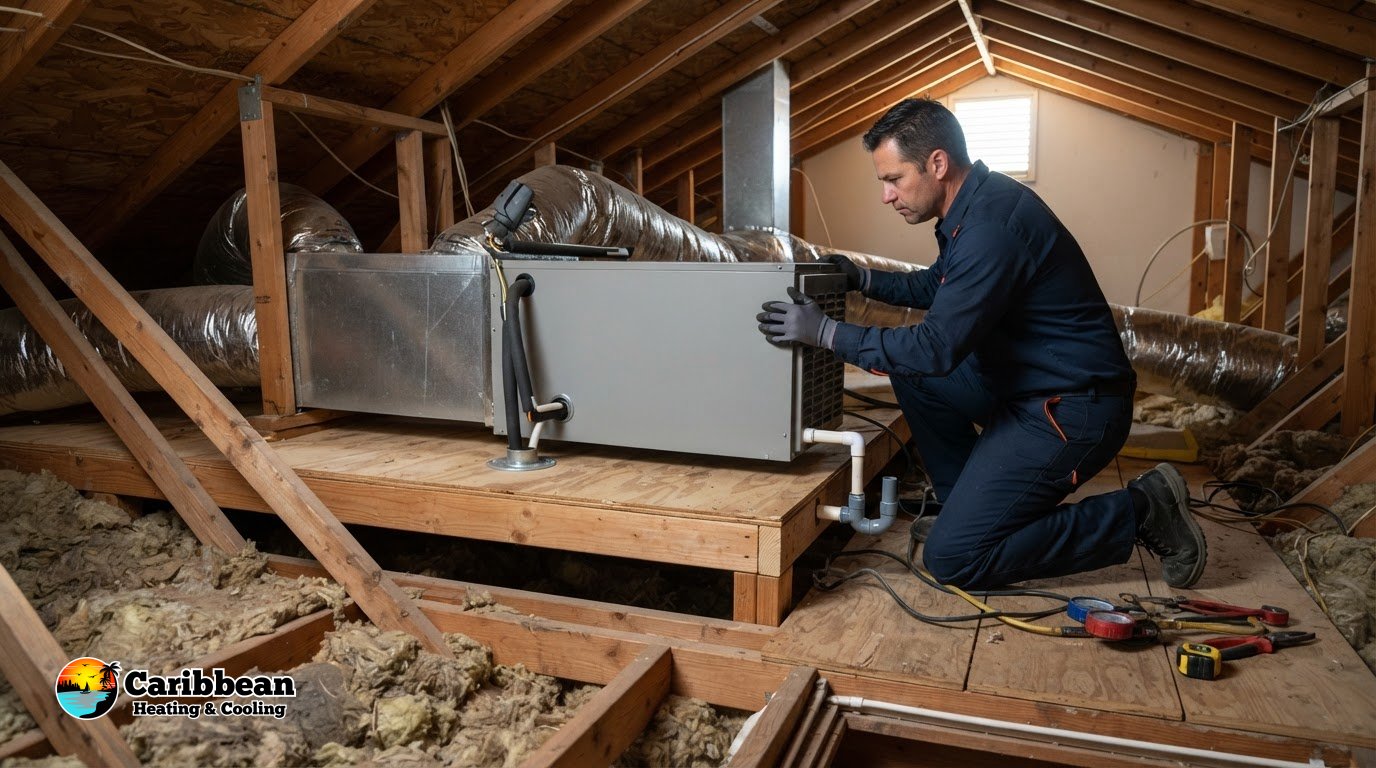
Replacement may involve permits or code requirements. The cited IRC provision M1305.1.3 requires a clear passageway, a light, and a service receptacle for an attic furnace passageway. Rebates may be available in some areas, but eligibility depends on the program and equipment.
Banging, rattling, or squealing can signal mechanical problems. A rotten-egg odor may indicate a gas leak: leave the house immediately and call the gas company. Carbon monoxide and faulty ignition systems are hazards associated with older heaters. A flame’s color alone can’t establish the cause of a problem; have unusual operation assessed promptly.
3. Benefits of upgrading to a newer heating system
A newer furnace can improve heating efficiency, comfort, and day-to-day reliability. The efficiency rating to compare is AFUE, which measures how much fuel a furnace converts into heat. A condensing natural gas furnace has an AFUE rating of 90% or better, while many older furnaces began at 60%. That difference helps explain why replacing an older system may reduce energy use.
Modern high-efficiency heating equipment may save homeowners up to 40% on heating costs. Actual savings depend on the old furnace’s condition, the replacement system, and how the home uses heat. A furnace more than 10 years old may be less efficient than a newer model, but the rating alone doesn’t predict your exact energy bills.
Comfort is another practical benefit. A properly sized, functioning system can help maintain consistent warmth across the home, rather than leaving some rooms colder during winter. In the Las Vegas Valley, choosing equipment suited to the home’s heating needs matters more than selecting a model by its label alone. A heat pump is another heating-system option, but the right choice depends on the home and system requirements.
Ask a qualified contractor to assess the home’s heating load, existing equipment, and installation conditions. Compare the proposed AFUE rating and system sizing, then consider expected use alongside upfront cost. Keeping the equipment maintained can help preserve performance after installation. If replacement is the better path, explore heating installation options for a system suited to your home.
Caribbean Heating & Cooling
Caribbean Heating & Cooling helps homeowners in Summerlin, Las Vegas, Henderson, and North Las Vegas with heating repair, maintenance, and installation. If your system needs repeated attention or struggles to keep your home comfortable, these services can help you choose a practical next step. Heating repair may address a problem with an existing furnace, while installation is an option when replacement is the better fit.
Share the symptoms you’ve noticed, such as recurring breakdowns, uneven warmth, or changes in energy use. A clear account of the problem helps focus the discussion on your home’s heating needs and whether service or a new system makes sense.
Contact Caribbean Heating & Cooling to discuss your furnace concerns and next steps.
Plan Ahead for Reliable Home Comfort
Use the warmer months to make a clear plan for your home’s heating needs, before colder weather puts the system back to work. Recognizing the signs you need a new furnace in Summerlin gives you time to discuss repair and replacement options without making a rushed decision during a breakdown. Consider the comfort you want from your home and the performance you expect from its heating system.
Caribbean Heating & Cooling also offers AC repair, AC installation, and AC maintenance to support year-round home comfort. For guidance on the next step for your furnace, contact Caribbean Heating & Cooling. A thoughtful plan can help you move into the next heating season with greater confidence.
Frequently Asked Questions
When do I need a furnace service or a furnace replacement in Las Vegas?
Choose service for a specific fault when the furnace otherwise heats your Las Vegas home reliably. Consider replacement if problems keep returning, the system is aging, or its performance no longer suits your household. For example, a repair that resolves a single ignition issue differs from repeated failures that leave the home without dependable heat. Heating repair can diagnose and address a repairable problem.
How old is too old for a furnace in Summerlin, Nevada?
Age alone doesn’t set a firm replacement deadline, but a furnace typically lasts 15 to 20 years. At 15 or more years, frequent repairs make replacement worth considering, especially if the unit’s performance is declining. In Summerlin, use the system’s age alongside service records and current comfort needs. A well-maintained furnace can sometimes last up to 20 years.
How much does furnace replacement cost in Summerlin or Las Vegas?
Replacement cost depends on the furnace selected, the home’s heating requirements, and the installation work involved. Equipment type, system capacity, and installation conditions all affect the scope. A useful estimate separates the proposed equipment from the installation work, so you can understand what the project includes.
Should I repair or replace a furnace, and what is the 50% rule?
Base the decision on the furnace’s age, repair history, condition, and ability to heat your home, rather than applying a 50% rule automatically. The cited 50% comparison concerns air-conditioning replacement, not furnaces. For a furnace, compare the diagnosed repair with the system’s broader performance and the scope of a replacement estimate. Repeated failures can make replacement more practical than another isolated fix.

Related Posts
Comments (0)